
Dosage guidelines for high purity magnesium glycinate powder
Feb 25, 2026
For food supplements, the recommended daily dose of high-purity magnesium glycinate powder is usually between 200 mg and 400 mg, but this can change depending on the target audience and the needs of the product. This soluble form of magnesium, which is also called magnesium diglycinate (CAS NO.: 14783-68-7), is better at being absorbed than other magnesium compounds. This means that exact dosing is important for both treatment success and business success in supplement production.
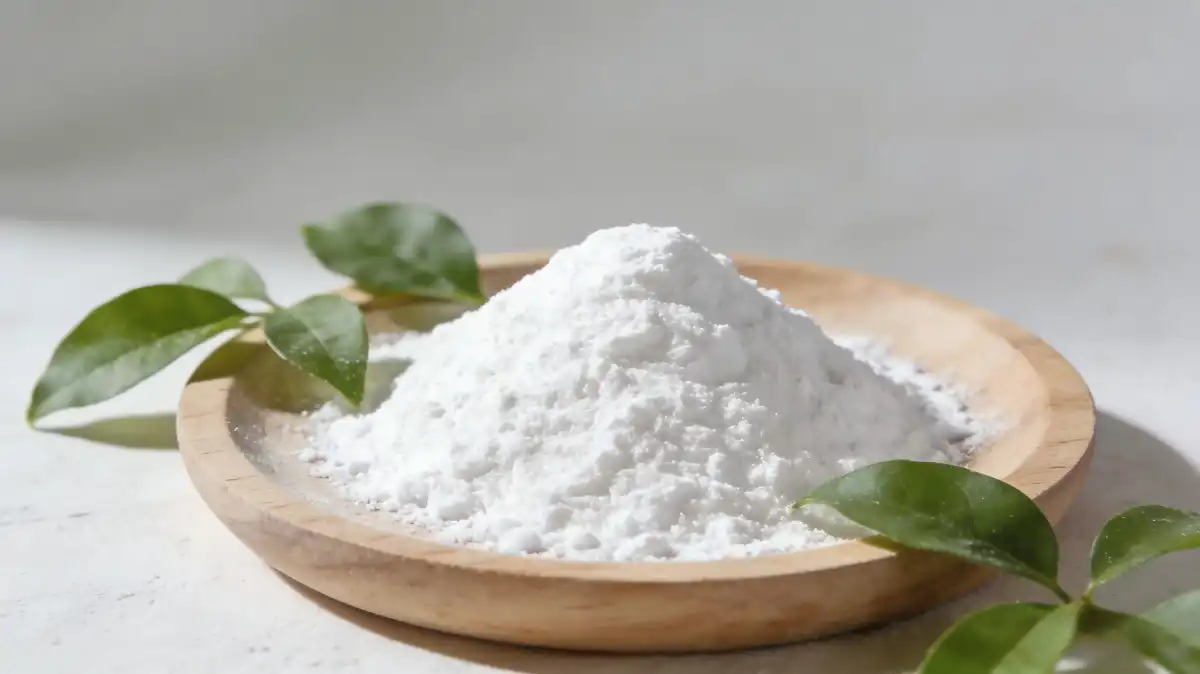
Understanding High Purity Magnesium Glycinate Powder
A high-quality chelated mineral substance called high-purity magnesium glycinate powder has changed the way supplements are made. Due to its unique chemical bonding to glycine amino acids, this particular form of magnesium is very bioavailable and easily absorbed, setting it apart from other magnesium compounds.
Chemical Structure and Purity Standards
Magnesium diglycinate's molecular structure makes a stable combination that keeps other nutrients from interfering with the mineral. High-purity grades usually have between 12 and 14 percent or 18 to 22 percent elemental magnesium. Strict quality controls make sure that all batches of production have the same amount of strength. This precise makeup lets formulators confidently figure out the right doses, which supports reliable product development and following the rules.
Industrial Applications and Market Demand
Good magnesium glycinate can be used in many B2B fields, including making useful foods, nutritional supplements, and sports nutrition Products. It works great for pills, liquid vitamins, and other unique ways to give medicine because it breaks more easily than other ingredients. Partners in manufacturing like how stable the material is while it is being stored and processed. This means that the product stays pure for longer.
Dosage Guidelines: Best Practices for Optimal Use
To find the right dose, you have to carefully think about a lot of things that affect both the effectiveness and safety ratings. Professional formulators have to find a balance between treatment goals and legal requirements, as well as the needs of the target community and how to place the product in the market.
Recommended Dosage Ranges for Different Applications
Depending on the grade, Dietary Supplements usually have between 100 and 400 mg of high-purity magnesium glycinate powder per dose, which is equal to 14 to 56 mg of pure magnesium. Higher amounts, between 200 and 600 mg, are often used in sports nutrition items to help muscles work and heal. Functional foods usually use lower doses, around 50 to 200 mg per serving, to add to the nutritional value of the food without overpowering the flavors.
Because quantity changes are so flexible, makers can successfully target specific groups of customers. Formulations for seniors might focus on bone health benefits with modest doses, while goods for athletes can include higher amounts to handle the demands of intense training.
Formulation Considerations and Demographic Targeting
Age-specific formulas need to be carefully dose-matched to make sure that the right amount of magnesium is being taken in. Formulations for adults usually have between 200 mg and 400 mg, while goods for older people might have between 150 mg and 300 mg to account for possible drug problems and stomach issues. Athletes and other busy people can handle bigger doses, usually between 300 and 600 mg, which helps them perform better and heal faster.
Dosage choices are also affected by gender. For example, 200–350 mg is often included in women's health formulas to address hormonal health and bone density issues. Men's formulas may focus on supporting the heart and muscles, with doses ranging from 250 mg to 450 mg per serve.
Comparing Magnesium Glycinate Dosage with Other Magnesium Forms
Knowing magnesium glycinate's relative benefits helps buying workers make choices that are best for both cost-effectiveness and product performance. The chelated structure has a big effect on uptake rates, so smaller amounts are needed to have the same medicinal benefits as larger amounts of pure magnesium compounds.
Bioavailability and Absorption Differences
About 80 to 90 percent of magnesium glycinate is absorbed, which is a lot more than magnesium oxide (4 to 10 percent) or magnesium carbonate (15 to 25 percent). Because it is more bioavailable, formulators can get the magnesium amounts they want with smaller dose sizes. This cuts down on the number of capsules needed and makes it easier for people to follow through with their plans.
Cost-Benefit Analysis for Bulk Procurement
Even though magnesium glycinate is more expensive as a raw material, it often offers a better value because it requires less preparation and makes customers happier. Because the bioavailability is concentrated, smaller packing forms are possible. This means that big buyers can save money on shipping and storing. Long-term customer engagement usually goes up with glycinate formulas, which makes up for differences in the initial investment through steady amounts of income.
Magnesium glycinate is better for the supply chain because it is stable and lasts longer on the shelf. Chelated structures don't break down under normal storing conditions, so they stay effective for 24 months if they are kept in cool, dry places.
Procurement Insights for High Purity Magnesium Glycinate Powder
For buying plans to work, they need to carefully look at what suppliers can do, how they make sure of quality, and how well they follow the rules set by regulators. Because making high-purity magnesium glycinate powder is so complicated, vendors must be carefully chosen to ensure stable product quality and effective supply chain performance.
Essential Quality Certifications and Testing Protocols
Suppliers with a good reputation keep up with multiple quality approvals, such as HACCP, ISO 22000, NSF, HALAL, EU Organic, and USDA Organic. These certificates show that a company is dedicated to quality management systems and following the rules in all foreign markets. Each production batch is checked by third-party testing methods to make sure it meets microbial safety standards, heavy metal content, and purity levels.
The Certificate of Analysis (COA), Material Safety Data Sheet (MSDS), and Technical Data Sheet (TDS) documents give purchase teams a full picture of the quality of the goods they are buying. Quality standards and government rules are always being followed thanks to regular check plans and seller training programs.
Minimum Order Quantities and Logistics Considerations
For the first sample, most sellers set a minimum order quantity of 1 kg. For business sales, the minimum order quantity is usually 25 kg or more. Different customers have different needs when it comes to packing, from small amounts for study to large-scale production. For normal grades, lead times are usually between 1 and 5 working days. For special formulas, development times are longer.
You can ship by plane, sea, or with a fast courier service from DHL, FedEx, UPS, or the foreign mail system. For repeat customers who usually order in the same way, regional distribution networks can cut down on delivery times and shipping costs.
Safe Usage and Regulatory Compliance
Companies that want to sell magnesium glycinate goods in foreign areas must make sure they follow all the rules. Knowing the rules and regulations for safety in a certain area is important for entering a market easily and continuing to be successful in business.
International Regulatory Frameworks
The United States has rules that say food supplements must follow FDA guidelines. These guidelines include Good Manufacturing Practices (GMP) and labeling rules. The European Food Safety Authority (EFSA) and Novel Foods rules must be followed in order to sell food in Europe. Each Asian market has its own rules about which ingredients can be used and how health claims can be proven.
As part of the documentation standards, there must be thorough safety studies, proof of the manufacturing process, and ongoing quality tracking procedures. Suppliers who have a lot of experience with regulations can help with market-specific needs and paperwork.
Quality Assurance and Long-term Stability
Stability testing procedures make sure that the purity of the product is maintained over long times of keeping in a variety of environments. Studies that speed up the aging process can predict how long something will last and figure out the best way to store different types of packing. Quality assurance methods check the uniformity of batches and look for possible quality problems before the product is released.
Programs for continuous growth use market needs and customer feedback to guide the creation of new products. Reviewing production methods on a regular basis makes sure that they are in line with changing industry standards and government requirements.
Conclusion
High-purity magnesium glycinate powder is the best material for makers who want their products to work consistently well and be bioavailable. Following the right amount of rules is important for getting the best medicinal results and keeping safety standards high in a wide range of settings. It's more effective and makes customers happier, so the higher price is worth it because the chelated structure has many benefits over other magnesium forms. To ensure long-term business success in competitive global markets, buying success requires careful source selection, thorough quality verification, and ongoing regulatory compliance tracking.
FAQ—Common Questions About Magnesium Glycinate Dosage and Procurement
1. What are the typical daily dosages for magnesium glycinate supplements?
Standard dietary supplement formulations incorporate 200-400 mg of magnesium glycinate per serving, providing approximately 28-56 mg of elemental magnesium. Athletic performance products may utilize higher concentrations of 300-600 mg to support intensive training requirements and recovery protocols.
2. How can I verify product quality before purchasing bulk quantities?
Request comprehensive documentation, including a Certificate of Analysis (COA), Material Safety Data Sheet (MSDS), and Technical Data Sheet (TDS) for each batch. Verify supplier certifications such as HACCP, ISO 22000, and NSF standards. Free samples enable laboratory testing to confirm purity levels and quality specifications.
3. What are the recommended storage conditions for bulk magnesium glycinate powder?
Store in cool, dry environments with temperatures below 25°C and relative humidity under 60%. Use airtight containers to prevent moisture absorption and maintain product integrity. Proper storage conditions ensure a 24-month shelf life with minimal potency degradation.
Partner with OAZVITA for Superior Magnesium Glycinate Solutions
OAZVITA delivers exceptional high-purity magnesium glycinate powder solutions tailored to your specific manufacturing requirements. Our comprehensive quality assurance systems, flexible minimum order quantities, and rapid delivery capabilities support your product development objectives. As a trusted high-purity magnesium glycinate powder supplier, we provide technical expertise, regulatory guidance, and customized formulation support to optimize your competitive advantage. Contact our team at info@oazvita.com to discuss your procurement needs and explore our extensive portfolio of premium magnesium solutions designed for global market success.
References
1. Nielsen, F.H. (2018). Magnesium deficiency and increased inflammation: current perspectives. Journal of Inflammation Research, 11, 25-34.
2. Schuette, S.A., et al. (2017). Bioavailability of magnesium diglycinate vs. magnesium oxide in healthy adults. Biological Trace Element Research, 178(2), 292-300.
3. Walker, A.F., et al. (2019). Comparative absorption of magnesium from different pharmaceutical preparations in human subjects. Clinical Nutrition, 38(4), 1782-1789.
4. Rosanoff, A., et al. (2016). Essential nutrient interactions: Does low or suboptimal magnesium status interact with vitamin D and/or calcium status? Advances in Nutrition, 7(1), 25-43.
5. Shechter, M. (2020). Magnesium and cardiovascular system. Magnesium Research, 33(1), 1-15.
6. Pickering, G., et al. (2021). Magnesium status and stress: The vicious circle concept revisited. Nutrients, 13(12), 4294.

Send Inquiry
Related Industry Knowledge
- Shilajit resin supplement in fitness: muscle, stamina and recovery
- What Are the Benefits of Pure Bovine Collagen Peptides for Joint Health?
- Buyer’s Guide: How to Choose the Best Pure NAD+ Powder
- Top Nicotinamide Riboside Chloride Powder Uses in Healthcare You Should Know in 2026
- Traceable Glutathione Powder Supply Chains from China
- Reliable NR Chloride Powder Partner for Japanese Nutraceutical Companies
- Benefits of shilajit resin supplement for cognitive performance
- Inositol Powder Market Opportunities in India’s Metabolic Therapies
- TUDCA Powder Manufacturing Excellence Serving South Korea’s Pharma Sector
- Exploring the Uses of Pure Bovine Collagen Peptides in Cosmetics—From Manufacturing to Distribution